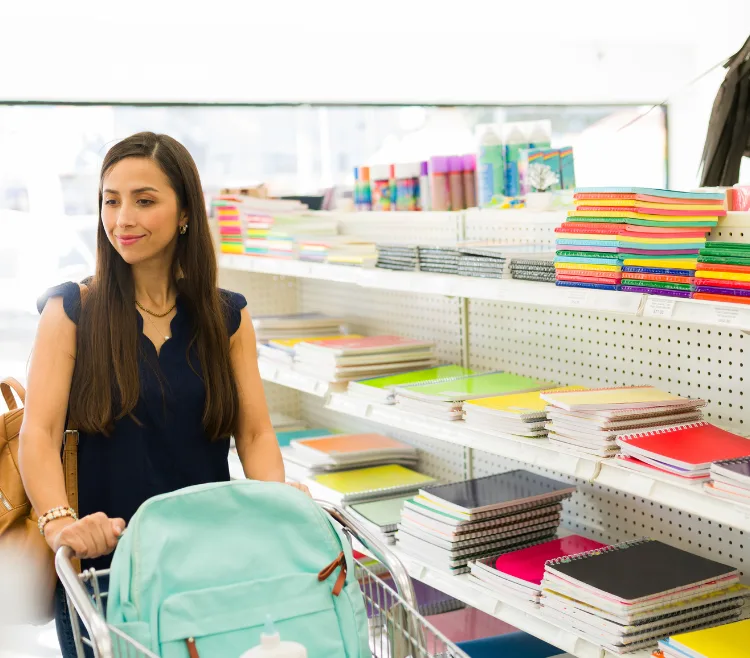

The back-to-school season is usually one of the most exciting times of the year for Puerto Rican families. However, it can also become one of the periods of greatest financial pressure. Between uniforms, school supplies, backpacks, technology, extracurricular activities, and transportation expenses, back-to-school costs can significantly affect the family budget.
The good news is that, with planning and a proper financial strategy, it is possible to create a back-to-school budget that allows you to cover school needs without compromising the household's financial goals.
If you are wondering how to create a back-to-school budget or looking for ways to reduce school expenses, these tips will help you prepare for the new academic year while protecting your finances.
Why Is It Important to Have a Back-to-School Budget?
Many families begin school shopping without setting a specific amount to spend. This can lead to impulse purchases, excessive use of credit cards, or difficulties covering other essential household expenses.
A back-to-school budget allows you to:
- Manage school-related expenses.
- Avoid incurring unnecessary debt.
- Identify opportunities to save.
- Prioritizing needs over wants.
- Teach children healthy financial habits.
In addition, involving children in budget planning can become a valuable lesson in money management and responsible consumption, a practice promoted by experts in financial well-being.
How Much Should I Budget for Back-to-School Shopping?
A frequently asked question is, "How much should I budget for back-to-school shopping?"
The answer will depend on several factors:
- Number of school-age children.
- Academic degree.
- School-Specific Requirements.
- Need for electronic devices.
- Sports or special activities.
The most important thing is to establish a spending limit before you begin shopping.
Create categories within your school supply budget:
- School Uniforms and Clothing
- Backpacks and Lunch Boxes
- School Supplies
- Technology and Accessories
- Fees or Extracurricular Activities
- Transportation
Dividing your budget into categories will help you better control expenses and avoid surprises.
1. Take Inventory Before You Buy
Before visiting stores or starting to shop online, review what you already have at home.
You may find:
- Unused pencils.
- Folders in good condition.
- Functional Calculators.
- Reusable backpacks.
- Art supplies left over from the previous year.
This simple practice can significantly reduce your school supply budget.
Ask yourself: Do I really need to buy everything again?
Many times, reusing materials can lead to considerable savings.
2. Difference Between Needs and Wants
One of the best back-to-school budgeting tips is to teach children the difference between what they need and what they want.
For example:
Needs
- Notebooks
- Pencils
- Uniforms
- Books
Wishes
- Fashion Backpacks
- Custom Accessories
- Items with popular characters or brands
Products with licenses or characters often cost more than comparable generic alternatives.
Discussing these topics before going shopping can help prevent impulsive spending.
3. Compare Prices and Take Advantage of Deals
If you wish to keep your spending under control during the back-to-school season, compare prices before making your purchases.
Some recommendations:
- Review digital catalogs.
- Compare prices at multiple stores.
- Take advantage of volume discounts.
- Use coupons when available.
- Verify seasonal promotions.
The first store does not always offer the best prices. Taking a few minutes to research can help you achieve significant back-to-school savings.
4. Start Shopping Early
One of the most effective ways to reduce back-to-school expenses is to avoid leaving everything to the last minute.
When purchasing in advance:
- You have more options available.
- You can gradually take advantage of offers.
- Distribute the expense over several weeks.
- Avoid emergency purchases.
In addition, early planning reduces financial stress and allows for better purchasing decisions.
5. Set a Spending Limit and Stick to It
Once you determine how much money you can allocate for back-to-school expenses, commit to respecting that amount.
Some families find it helpful:
- Use cash.
- Create a detailed list before making a purchase.
- Record expenses in a budget application.
- Set aside money specifically for school purchases.
Having a clear boundary helps prevent the overuse of credit and promotes better financial habits.
6. Consider Second-Hand Options
For many families in Puerto Rico, buying used items can represent a significant savings opportunity.
Some products that could be purchased second-hand include:
- Uniforms.
- Musical instruments.
- Scientific calculators.
- Reading Books.
- Sports Equipment.
The key is to evaluate the quality of the product and ensure it remains functional and safe.
7. Include School Expenses in Your Annual Budget
The return to school occurs every year. However, many people regard it as an unexpected expense.
A smart financial strategy is to begin saving several months in advance.
For example:
If you plan to spend $600 during the school season, you could save.
- $50 monthly for 12 months.
- $100 monthly for 6 months.
Planning ahead is one of the best ways to keep back-to-school expenses under control without impacting your financial stability.
Financial Education During Back-to-School
The school season is also an excellent opportunity to teach children about:
- Budget
- Savings.
- Compare prices.
- Financial Decision-Making.
- Difference Between Needs and Wants.
These conversations can help them develop healthy financial habits that will benefit them throughout their lives.
Local Resources for Saving on Back-to-School in Puerto Rico
In addition to creating a budget for school purchases, Puerto Rican families can take advantage of locally available resources and programs to reduce back-to-school expenses.
Nutrition Assistance Program (PAN)
Eligible families can use NAP benefits to purchase food that helps meet students' nutritional needs during the school year.
More information at the Department of the Family: https://www.familiapr.gov
Puerto Rico Department of Education
The Department of Education publishes important information related to school calendars, lists of materials, special education programs, transportation, and other services for students and parents.
Public Libraries and Resource Centers
Many public libraries offer free access to computers, internet, limited printing, and academic support during the school year.
Municipalities and Community Organizations
During the months of July and August, numerous municipalities, churches, and non-profit organizations provide free deliveries of backpacks, uniforms, and school supplies for families with economic needs.
Please check your municipality's social media and official pages to learn about the initiatives available near your community.
Consumer Provides Financial Education for the Whole Family
At Consumer, we believe that financial education should start from an early age. Our free workshops and resources assist families in:
- Create effective budgets.
- Set savings goals.
- Manage seasonal expenses.
- Develop healthy financial habits.
Learn about our educational resources at: https://www.consumerpr.org/espacio-educativo-consumer/
Frequently Asked Questions
How can I save money on school supplies?
Compare prices between stores, reuse materials from the previous year, purchase only what you need, and take advantage of seasonal discounts.
How much should I budget for back-to-school expenses?
The amount varies depending on each student's needs, but setting a spending limit before starting your shopping helps manage your family budget more effectively.
What are the best ways to reduce school expenses?
Planning ahead, shopping during sales, reusing materials, and differentiating between needs and wants are some of the most effective strategies.
Should I use a credit card for school purchases?
The ideal approach is to make purchases within a previously established budget and avoid incurring debt for temporary expenses that occur every year.
Returning to school doesn't have to become a source of financial stress
With a back-to-school budget, a well-planned list, and conscious shopping habits, it is possible to cut expenses and keep family finances in check.
Remember that the goal is not to spend more, but to spend wisely. Small decisions, such as reusing materials, comparing prices, and setting spending limits, can lead to significant savings for your family.
At Consumer, we believe that every season is an opportunity to strengthen your financial well-being. A well-planned budget today can help you achieve your financial goals tomorrow.
Do you need help building a family budget or strengthening your financial habits?
Consumer offers financial guidance, education, and resources to help you take control of your money and build a healthier financial future.
Call 787-722-8835 or visit our website at www.consumerpr.org