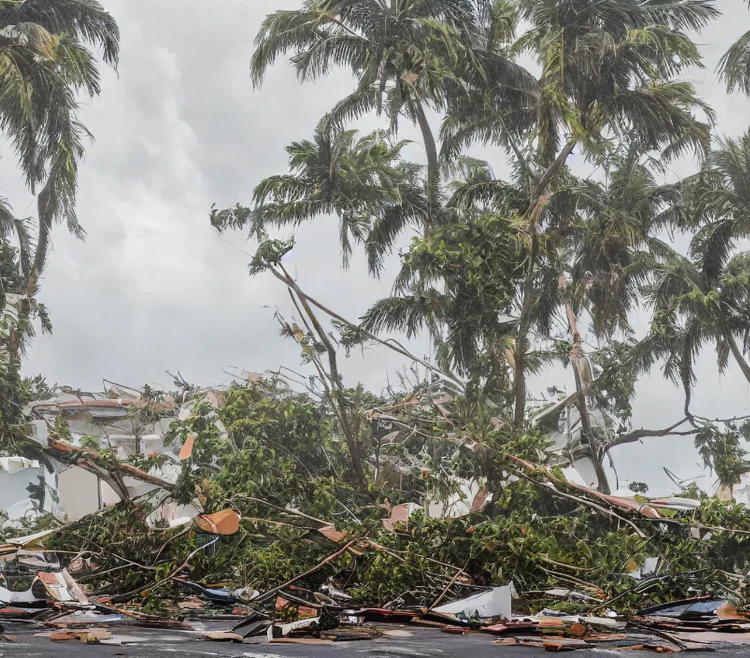

Every year, from 1/06 to 30/11, Puerto Rico faces hurricane season, a period that requires preparation and planning to protect what is most important: your family, your home, and your financial stability.
Beyond stockpiling supplies, effective preparedness includes making smart financial decisions, strengthening your home, and developing a clear family plan. From a financial wellness perspective, preparing ahead of time helps you reduce stress, protect your resources, and respond more calmly to any emergency.
1. Why is preparation key in Puerto Rico?
Puerto Rico is highly vulnerable to intense atmospheric events. Experts have anticipated active seasons with multiple storms and hurricanes, highlighting the importance of being prepared in advance.
Experiences from events such as Hurricane Maria have shown that a lack of preparedness can affect not only infrastructure but also access to food, water, power, and ATMs for extended periods.
Preparedness isn't just a logistical task—it's a comprehensive financial and family resilience strategy.
2. Hurricane Financial Preparedness: Strengthen Your Finances and Stability
When we think of hurricane preparedness, we usually focus on water, food, and supplies. However, financial preparedness is just as important, as it can determine how quickly one recovers after an emergency.
A hurricane can disrupt income, affect access to banks, and lead to unexpected expenses. Being financially prepared helps you face these impacts more confidently.
Create an emergency fund
Experts recommend setting aside a portion of your monthly income to create a fund that allows you to cover unexpected expenses.
Consider these key expenses:
- Food and water for at least 7 days
- Fuel and Transportation
- Accommodation in Case of Evacuation
- Medicines and Essential Items
If you do not already have one, start small:
- First goal: $1,000
- Then: 1 month of expenses
- Ideal Goal: 3 to 6 Months
Even small consistent contributions can make a significant difference over time.
Keep cash available
FEMA suggests keeping cash at home, as ATMs and electronic payments may not be available during the emergency.
After a hurricane, it is common that:
- ATMs are not working
- Cards are not accepted
- Electronic systems fail
Therefore, it is advisable to have cash in small bills to cover expenses such as food, gasoline, or medicine for several days.
Protect your financial documents
In the event of evacuation or damage to the home, you will need quick access to key documents, such as:
- IDs
- Insurance Policies
- Bank Information
- Deeds or Contracts
Keep them in a safe place and consider maintaining protected digital copies.
Review your insurance
- Hazard Insurance
- Flood Insurance (not always included)
- Car Insurance
Having the right coverage can help you recover more quickly after the disaster. In Puerto Rico, for settled properties, it is the responsibility of the owner to ensure that they have appropriate flood risk insurance.
Small steps today, such as adjusting your budget or saving gradually, can provide you with greater security tomorrow.
Reduce risks and prevent fraud
After a disaster, fraud attempts increase.
Remember:
- Do not share personal information with unknown sources
- Verify before sending money
- Be cautious of suspicious offers
Protecting your information is an essential part of your financial stability.
3. Prepare Your Home: Reduce Risk and Protect Your Investment
Your home is one of your most important assets, and protecting it should be a priority.
Essential Actions:
- Inspect roofs, doors, and windows
- Install panels or storm shutters
- Clean drains and outdoor areas
- Securing objects that can become projectiles
In addition, it is advisable to evaluate the purchase of generators, batteries, or supplies in advance, as demand increases and products can quickly become scarce.
4. Organize a Complete Emergency Kit
A well-prepared emergency kit can support your family for several days without basic services.
Essential Elements:
- Water (minimum 1 gallon per person per day)
- Non-perishable food
- Flashlights and Batteries
- Portable Radio
- Medicines and Medicine Cabinet
- Important Documents
- Cash
In Puerto Rico, it is recommended to prepare supplies for 7 to 10 days due to possible prolonged interruptions.
5. Create a Family Emergency Plan
Preparation is not complete without a clear plan that everyone in the family understands.
Include in your plan:
- Meeting Points
- Evacuation Routes
- Contact outside the area
- Plans for children, seniors, and pets
It is also important to practice the plan and ensure that everyone knows what to do before, during, and after the emergency.
6. Take Care of Family Health and Wellness
Disasters also affect physical and emotional health.
The Puerto Rico Department of Health recommends planning by considering:
- Existing medical conditions
- Special Diets
- Needs of older adults or vulnerable individuals
Financial and emotional well-being are connected. Preparing reduces anxiety and enables you to make better decisions in difficult times.
7. Stay Informed with Trusted Sources
Information can save lives.
- Follow National Weather Service Alerts
- Use official apps (such as FEMA or Red Cross)
- Listen to local radio during emergencies
Staying informed enables you to act promptly and avoid unnecessary risks.
Preparing is taking care of your future
Hurricane season doesn't have to catch you by surprise. With planning, financial discipline, and family communication, you can protect your home and what you value most.
Preparing is not just about surviving a storm: it is about building resilience, stability, and peace of mind for your family.
Helpful resources
- Emergency Management PR: manejodeemergencias.pr.gov
- FEMA Puerto Rico: fema.gov
Do you need assistance with your financial preparation?
If you need guidance on organizing your finances or better preparing for an emergency, Consumer is here to help. Call us at 787-722-8835.